- 2011 - A trip through the Graphics Pipeline 2011
- 2013 - Performance Optimization Guidelines and the GPU Architecture behind them
- 2015 - Life of a triangle - NVIDIA's logical pipeline
- 2015 - Render Hell 2.0
- 2016 - How bad are small triangles on GPU and why?
- 2017 - GPU Performance for Game Artists
- 2019 - Understanding the anatomy of GPUs using Pokémon
| Latency Comparison Numbers (~2012) | |
| ---------------------------------- | |
| L1 cache reference 0.5 ns | |
| Branch mispredict 5 ns | |
| L2 cache reference 7 ns 14x L1 cache | |
| Mutex lock/unlock 25 ns | |
| Main memory reference 100 ns 20x L2 cache, 200x L1 cache | |
| Compress 1K bytes with Zippy 3,000 ns 3 us | |
| Send 1K bytes over 1 Gbps network 10,000 ns 10 us | |
| Read 4K randomly from SSD* 150,000 ns 150 us ~1GB/sec SSD |
WARNING: Article moved to separate repo to allow users contributions: https://github.com/raysan5/custom_game_engines
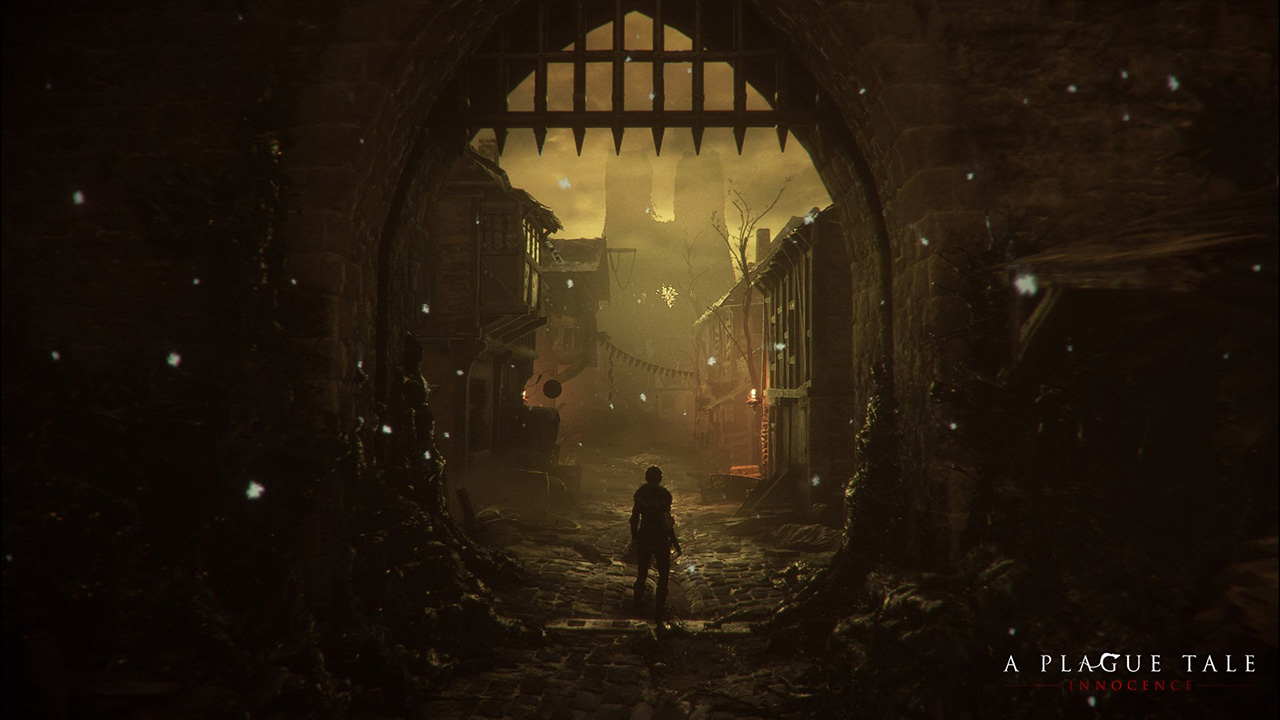
A couple of weeks ago I played (and finished) A Plague Tale, a game by Asobo Studio. I was really captivated by the game, not only by the beautiful graphics but also by the story and the locations in the game. I decided to investigate a bit about the game tech and I was surprised to see it was developed with a custom engine by a relatively small studio. I know there are some companies using custom engines but it's very difficult to find a detailed market study with that kind of information curated and updated. So this article.
Nowadays lots of companies choose engines like [Unreal](https:
| #define STB_IMAGE_IMPLEMENTATION | |
| #define STB_IMAGE_WRITE_IMPLEMENTATION | |
| #define STBI_ONLY_PNG | |
| #define STBI_ONLY_JPEG | |
| #define STBI_ONLY_BMP | |
| #define STBI_ONLY_GIF | |
| #include "stb_image.h" | |
| #include "stb_image_write.h" |
Here is a short guide that will help you setup your environment to create signed commits or signed tags with Git locally. This has been extensively tested on Windows with Git and the Github Desktop application: I use it every day for my professional development projects.
I you face any issue, feel free to leave a comment below.
| // Taken from the Rust code base: https://github.com/rust-lang/rust/blob/3809bbf47c8557bd149b3e52ceb47434ca8378d5/src/libstd/sys_common/mod.rs#L124 | |
| // Computes (value*numer)/denom without overflow, as long as both | |
| // (numer*denom) and the overall result fit into i64 (which is the case | |
| // for our time conversions). | |
| int64_t int64MulDiv(int64_t value, int64_t numer, int64_t denom) { | |
| int64_t q = value / denom; | |
| int64_t r = value % denom; | |
| // Decompose value as (value/denom*denom + value%denom), | |
| // substitute into (value*numer)/denom and simplify. | |
| // r < denom, so (denom*numer) is the upper bound of (r*numer) |
| #include <time.h> // Robert Nystrom | |
| #include <stdio.h> // @munificentbob | |
| #include <stdlib.h> // for Ginny | |
| #define r return // 2008-2019 | |
| #define l(a, b, c, d) for (i y=a;y\ | |
| <b; y++) for (int x = c; x < d; x++) | |
| typedef int i;const i H=40;const i W | |
| =80;i m[40][80];i g(i x){r rand()%x; | |
| }void cave(i s){i w=g(10)+5;i h=g(6) | |
| +3;i t=g(W-w-2)+1;i u=g(H-h-2)+1;l(u |
| REM On Unix you would do this: find ./ -type f -exec dos2unix {} \; | |
| REM After installing dos2unix.exe in Windows, you can create a small bat script with the below in it to | |
| REM recursively change the line endings. Careful if you have any hidden directories (e.g. .git) | |
| for /f "tokens=* delims=" %%a in ('dir "C:\Users\username\path\to\directory" /s /b') do ( | |
| "C:\Program Files\unix2dos.exe" %%a | |
| ) |
| package ; | |
| #if macro | |
| import haxe.macro.Context; | |
| import haxe.macro.Printer; | |
| import haxe.macro.Expr; | |
| class MacroEnum { | |
| macro public static function buildToString():Array<Field> { |
